- Blogs
- WPS Payroll and HR
- Best practices for WPS Payroll and employee management
Dec 31, 2025
Best practices for WPS Payroll and employee management

Share this article
- Introduction: Why WPS compliance matters
- Understand the rules before you run payroll
- Build clean employee and payroll data
- Design a robust WPS payroll cycle
- Streamline where possible and monitor status proactively
- Manage non‑salary employee payments carefully
- Stay ahead of penalties and compliance risks
- Put people at the center of WPS and payroll
- Conclusion: Turning WPS from a burden into a strength
Introduction: Why WPS compliance matters
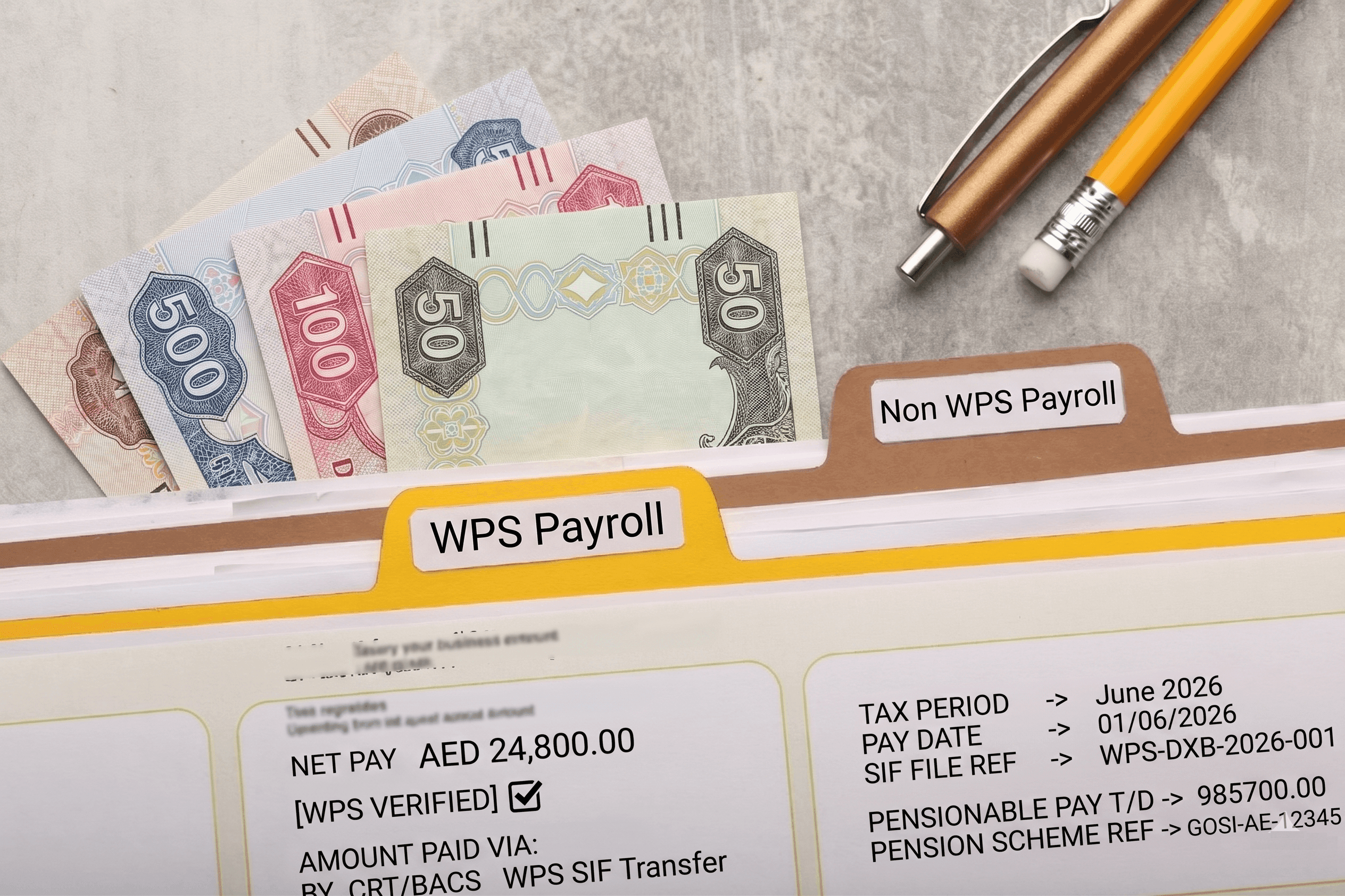
The Wage Protection System (WPS) is a mandatory electronic salary transfer system that is designed to support private‑sector employees in the UAE are paid accurately, in full, and on time through approved financial institutions. Non‑compliance may lead to fines, suspension of new work permits, reputational damage, and legal action, so getting payroll and people processes right is critical.
Understand the rules before you run payroll
Every good WPS process starts with knowing what is required.
- All MOHRE‑registered employers must pay wages via WPS, using an authorised bank, exchange house, or fintech provider operating in accordance with applicable Central Bank requirements.
- Salaries must match employment contracts and be paid in AED within strict timelines as prescribed by applicable MOHRE regulations, which may change from time to time.
- MoHRE monitors WPS submissions and can flag companies that delay, underpay, or skip salaries.
Employers should regularly refer to official MOHRE guidance and any applicable free zone rules to avoid relying on outdated information.
Build clean employee and payroll data
Accurate WPS files depend on accurate HR data.
- Keep employee records updated with Emirates ID, labour card, contract, salary details, and valid IBANs.
- Ensure salary components in the HR system match the contract (basic pay, allowances, overtime, commissions) to reduce disputes.
- Maintain a clear status for each employee (active, terminated, on unpaid leave) to avoid incorrect payments or rejected files.
This help reduce errors when generating Salary Information Files (SIF) and prevents payment rejections by the bank or exchange house.
Design a robust WPS payroll cycle
A structured monthly cycle makes compliance reliable rather than stressful.
- Create a payroll calendar with fixed cut‑off dates for timesheets, overtime, and changes, and a clear pay date aligned with WPS deadlines.
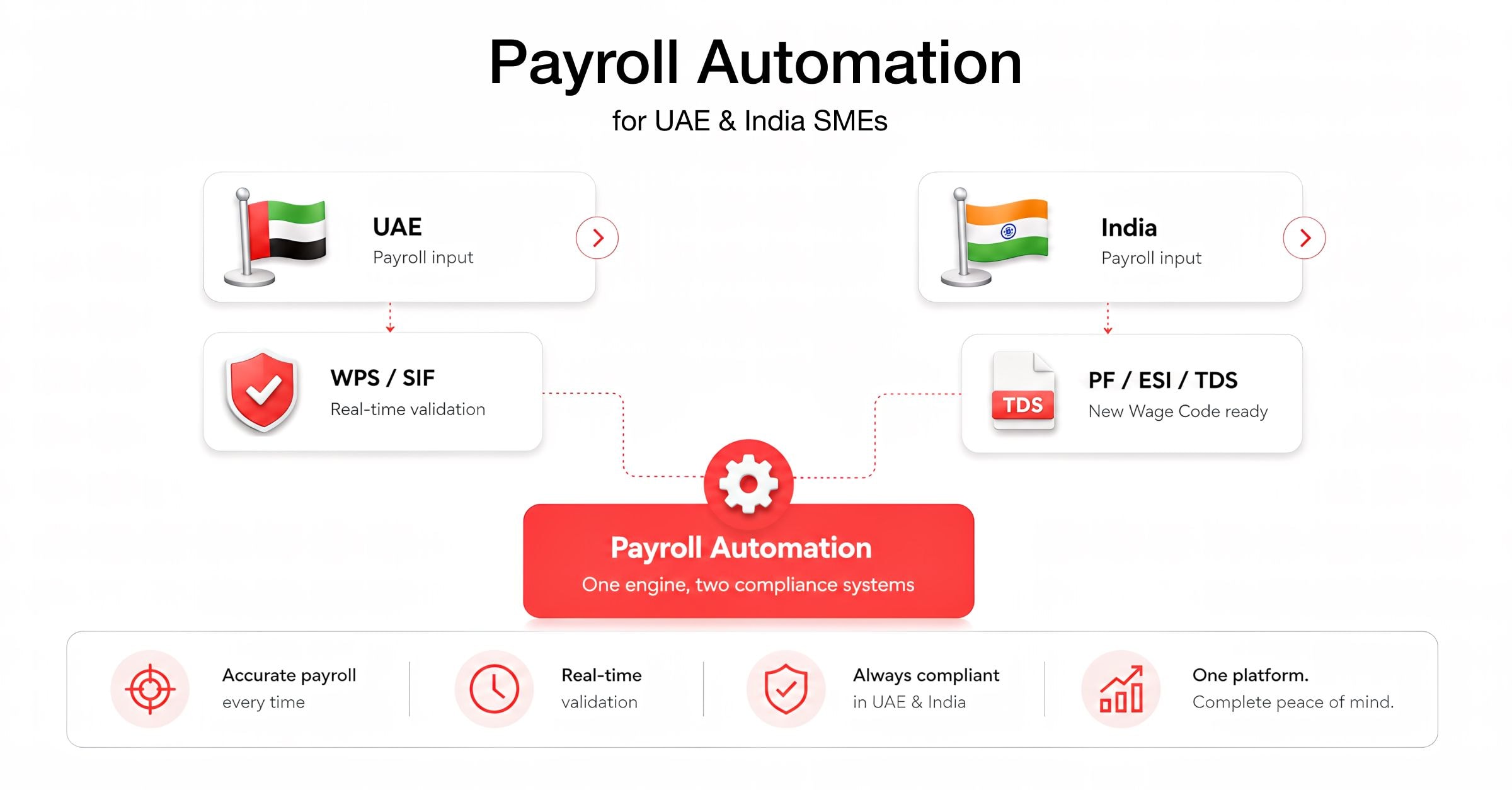
- Use payroll software or a service that supports WPS SIF generation in the correct format to minimise manual editing.
- Review the SIF internally (HR + finance) before submission, checking totals, bank details, and any new joiners or leavers.
Submitting early gives time to fix rejections without missing the compliance window.
Streamline where possible and monitor status proactively
New WPS upgrades focus on digital integration and improved oversight, which employers can use to their advantage.
- Streamline salary calculations and SIF generation from integrated HR/payroll systems rather than spreadsheets.
- Use dashboards or mobile apps from your WPS agent or MoHRE to track file status and confirm when salaries are credited.
- Set internal alerts for any employees who do not receive payment on time so issues can be resolved quickly.
Automation cuts administrative effort and lowers the risk of human error while strengthening transparency.
Manage non‑salary employee payments carefully
Employee management goes beyond basic wages.
- Define clear policies for overtime, bonuses, commissions, and allowances, with documented approvals to support any extra payments.
- Where possible, route regular recurring components (e.g., fixed allowances) through WPS so they are recorded and traceable.
- Keep separate, auditable records for reimbursements and petty cash; these usually sit outside WPS but still affect employee trust and compliance.
Clarity on what is and is not part of WPS salary helps avoid misunderstandings and disputes.
Stay ahead of penalties and compliance risks
The UAE has tightened enforcement, with stricter penalties for delayed or incomplete salary payments.
- Understand key consequences: fines per affected employee, suspension of new work permits, salary audits, and legal action in cases of repeated non‑payment.
- Run a monthly compliance check: Did all active employees get paid the correct amount, on time, through WPS? Are any files pending or rejected?
- Train HR and finance staff regularly on new MoHRE resolutions and WPS upgrades so practices stay current.
Proactive monitoring is far easier—and cheaper—than fixing accumulated non‑compliance later.
Put people at the center of WPS and payroll
Ultimately, WPS is about protecting workers’ rights and creating a fair, transparent environment.
- Communicate pay dates, policies, and channels for raising concerns clearly to employees.
- Share payslips that break down basic salary, allowances, and deductions so staff understand their pay.
- Respond quickly to queries about delays or discrepancies to maintain trust and morale.
When employees trust payroll, retention improves and labour disputes may reduce.
Conclusion: Turning WPS from a burden into a strength
Handled well, WPS is more than a legal requirement, it becomes a structured, digital backbone for payroll and employee management. By understanding the rules, keeping data clean, automating processes, and monitoring compliance every month, SMEs can pay teams confidently, avoid penalties, and show regulators, banks, and staff that they operate to high standards.